Hamptons-Style Flower Gardens: Seasonal Choices That Always Look Intentional
There is a certain calm you feel walking past a flower garden in the Hamptons. Nothing feels rushed or overly styled. The colors sit comfortably together, the shapes feel balanced, and even when plants are past peak bloom, the garden still looks considered. That sense of ease is not accidental. It comes from thoughtful seasonal choices that respect our coastal conditions and the rhythm of the year.
Many homeowners ask why some gardens always feel pulled together while others feel scattered a few weeks after planting. In our corner of Long Island, the answer often comes down to plant timing, weather awareness, and restraint. Salt air, sandy soil, strong sun, and shifting temperatures all shape what thrives here. When flowers are chosen with these factors in mind, the garden holds its structure and charm from early spring through late fall.
At Oceanview Landscapes, our team spends much of the year helping homeowners make these seasonal decisions, whether we are refreshing a perennial border or reworking a full garden plan. We see firsthand how the right sequence of blooms creates a garden that feels intentional in every month, not just at its peak.
What follows is a season-by-season look at flower choices that work beautifully in the Hamptons, along with guidance on color, structure, and planting habits that keep gardens looking composed rather than busy.
What Defines a Hamptons-Style Flower Garden
A Hamptons-style flower garden leans toward softness and balance. Colors are often layered rather than loud. Whites, creams, pale blues, dusty pinks, and gentle purples dominate, grounded by steady greens and silvery foliage. The goal is a garden that feels calm from the porch and inviting up close.
Structure matters just as much as bloom. Grasses, shrubs, and repeat plantings give the eye something to rest on. Flowers come and go, yet the garden never feels empty. This approach suits our coastal climate, where plants that offer reliable form often perform better than fragile showpieces.
%20(1).jpg)
Our local weather also plays a role. Winters can swing between mild and sharply cold. Springs arrive unevenly. Summers bring strong sun and occasional drought stress. Fall often stretches longer than expected. Gardens that look intentional work with these patterns rather than fighting them.
Early Spring: Quiet Color and Fresh Growth
Spring in the Hamptons starts slowly. Soil temperatures stay cool, and late frosts remain possible into April. Early spring gardens shine when they embrace restraint.
Bulbs do much of the work here. Daffodils, particularly softer varieties with cream or pale yellow tones, bring cheer without overpowering the space. Planting them in drifts rather than straight lines keeps things natural. Hyacinths add scent near walkways and entry points, while snowdrops and crocus tuck neatly into lawn edges or beneath shrubs.
Hellebores are another early favorite. Their nodding blooms handle cool weather well and pair nicely with evergreen groundcovers. Their muted colors align with the Hamptons look and bridge the gap until later perennials wake up.
During this season, bare patches are normal. Early spring gardens feel intentional when they leave room for what is coming rather than trying to fill every inch.
Late Spring: Soft Layers Take Shape
As temperatures settle, late spring brings more layers. Tulips appear, often chosen in whites, blush tones, and faded purples rather than bold primaries. These colors sit comfortably against cedar shingles and weathered stone.
Alliums add height and geometry without clutter. Their round blooms rise above lower plantings and linger even after petals fade. Forget-me-nots and creeping phlox fill gaps with gentle color, softening edges along paths and beds.
This is also the moment when shrubs begin to anchor the scene. Peonies, with their glossy foliage, promise future blooms while offering structure now. A garden feels planned when flowering plants are supported by strong leaves and repeat forms.
Summer: Calm Color in Strong Sun
Summer gardens in the Hamptons need to handle heat, wind, and periods of dryness. Intentional choices focus on plants that hold their shape and color under pressure.
Hydrangeas are a signature here, particularly mophead and panicle types. Blues, whites, and soft greens echo the coastline and perform well in our soils with proper care. Lavender thrives in sandy ground and brings fragrance along with a relaxed look. Its silvery foliage stays attractive even between blooms.
Roses can work beautifully when chosen wisely. Varieties with simpler flower forms and good disease resistance tend to look better over time. Paired with ornamental grasses, they feel less formal and more at home near the shore.
Spacing becomes important in summer. Crowded beds trap heat and stress plants. Gardens that breathe tend to look fresher well into August.
Late Summer: Texture Carries the Garden
Late summer is where many gardens lose their way. Blooms fade, and tired foliage takes over. In Hamptons-style gardens, texture steps in to carry the design.
Ornamental grasses like panicum and miscanthus sway in the breeze and catch the light beautifully. Echinacea and rudbeckia bring warmth without straying from the relaxed palette when softer shades are chosen. Sedum adds structure and transitions easily into fall.
At this stage, seed heads and dried blooms are welcome. They bring depth and signal the changing season. Removing everything that looks past peak often strips the garden of its character.
Fall: A Graceful Wind-Down
Fall in the Hamptons often surprises with its length. Warm days linger, and gardens have time to shine again if planned with care.
Asters and anemones extend flowering into October. Their colors stay within the soft blues, whites, and pale pinks that suit coastal settings. Grasses reach their full height and take on golden tones that echo dune grasses nearby.
This is also a moment to appreciate foliage. Shrubs with subtle fall color, paired with evergreen forms, keep the garden grounded as flowers fade. Leaving plants standing through winter protects crowns and adds interest during colder months.
Color Palettes That Always Feel Right
One of the easiest ways to keep a garden looking intentional is to limit the color range. Hamptons gardens often rely on variations of a few tones rather than many competing hues.
Whites and creams reflect light and brighten shaded spots. Blues and purples cool the space during summer heat. Pale pinks add warmth without shouting for attention. Repeating these colors across seasons creates continuity even as specific plants change.
Green matters too. Mixing leaf shapes and shades keeps beds engaging when flowers are sparse. Matte greens, silvery foliage, and glossy leaves each play a role.
Planting Habits That Make the Difference
Beyond plant choice, habits shape the end result. Grouping plants in odd numbers feels more natural than rigid symmetry. Repeating the same plant in several areas ties the garden together.
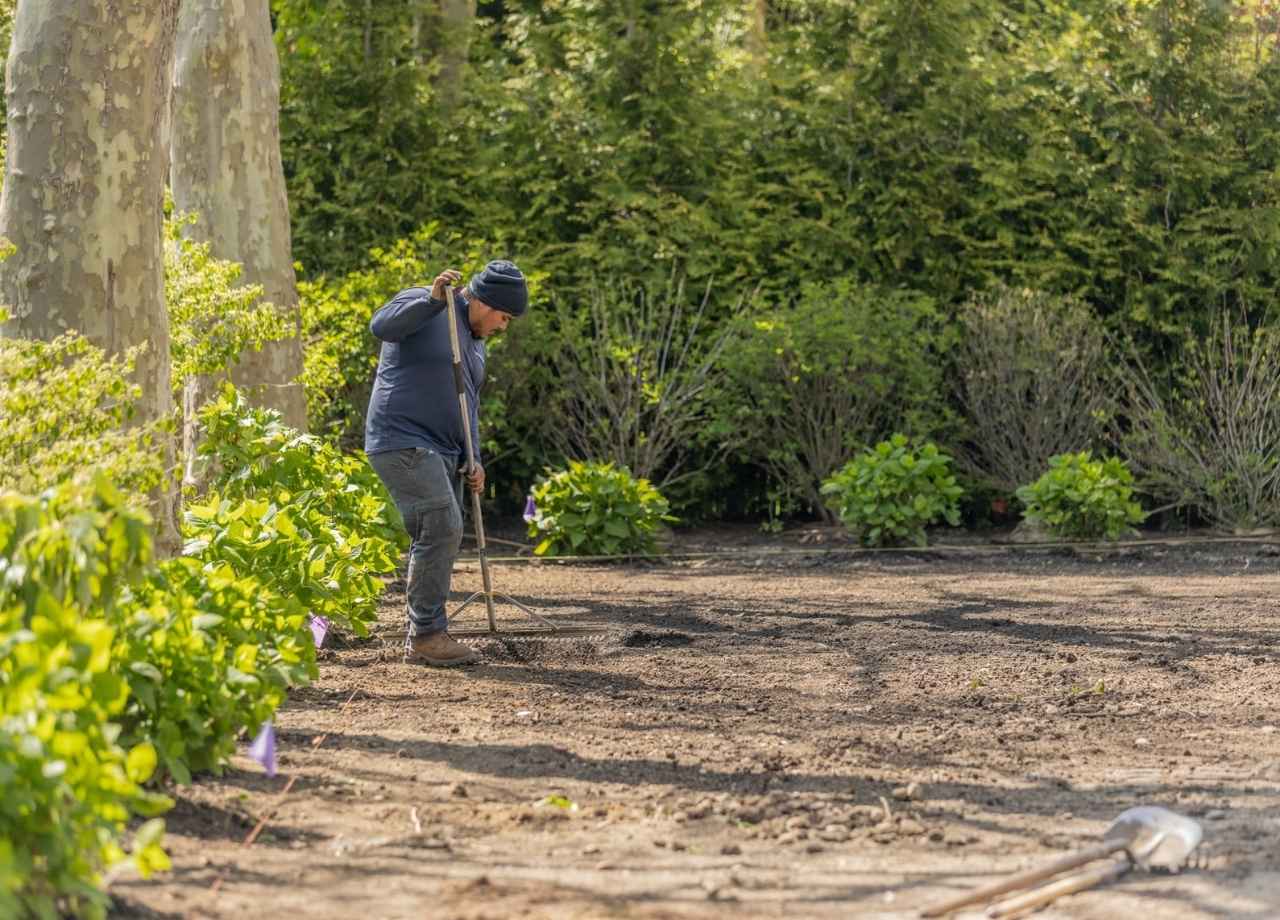
Allowing space for growth prevents overcrowding and reduces maintenance. In our sandy soils, good spacing also helps with moisture management.
Regular observation matters. Gardens that look effortless often receive thoughtful edits through the season, a plant moved here, another trimmed back there. This steady attention keeps the design intact.
A Garden That Feels Considered All Year
Hamptons-style flower gardens succeed because they respect timing, place, and restraint. Each season builds on the last, and nothing feels rushed. When flowers are chosen with local weather, soil, and light in mind, the garden tells a consistent story from March through November.
If you ever want a second set of eyes on your own garden, our team is always happy to share guidance shaped by years of working in East End conditions. A short conversation can often clarify which seasonal choices will help your garden feel intentional every day of the year.
