Cost to Install a Paver Walkway: What Homeowners Should Expect
A well-built paver walkway does much more than connect one part of your property to another. It creates a welcoming first impression, improves accessibility, and adds character to your outdoor space. Whether it's a path leading to your front entrance, a walkway through a backyard garden, or a connection between a patio and pool area, quality pavers offer durability along with timeless appeal.
One of the first questions homeowners ask is, how much does it cost to install a paver walkway? The answer depends on several factors, including the size of the project, the type of pavers you choose, site conditions, labor, and the amount of preparation required. In coastal areas like the Hamptons, weather conditions also play an important role. Heavy rain, winter freeze-thaw cycles, and sandy soil all influence how a walkway should be built to ensure it remains stable for years.
At Oceanview Landscapes, we've found that homeowners who understand the installation process are better prepared to make smart decisions that balance budget, appearance, and long-term performance.
Average Cost to Install a Paver Walkway
Most professionally installed paver walkways cost between $15 and $35 per square foot. Premium materials, detailed patterns, and challenging site conditions can increase the total to $40 or more per square foot.
For a small garden path, homeowners might spend between $600 and $1,500. Medium-sized walkways often range from $1,500 to $4,000, while larger or more elaborate projects can easily exceed $5,000 or $6,000.
These figures provide a general guideline, but every project is unique. The final price depends on much more than the pavers themselves.
What Factors Affect Paver Walkway Costs?
Many homeowners assume the pavers themselves make up most of the expense. In reality, installation involves several important components.
1. Type of Pavers
Material selection has one of the biggest impacts on cost.
Concrete pavers are among the most affordable options. They come in many colors, textures, and shapes while providing excellent durability.
Brick pavers offer timeless appeal and work particularly well with traditional homes. They typically cost slightly more than concrete.
Natural stone including bluestone, granite, travertine, and flagstone creates a premium appearance but carries a higher price due to material and installation requirements.
The right choice depends on your home's architecture, your budget, and the overall design of your outdoor spaces.
2. Walkway Width and Length
A short garden path costs significantly less than a wide front entrance walkway.
Standard residential walkways are typically:
- 3 feet wide for one person
- 4 to 5 feet wide for comfortable two-person traffic
- Wider for decorative entrances or high-traffic areas
Every additional square foot increases material, excavation, and labor costs.
3. Site Preparation
Preparing the site is one of the most important parts of the project.
Existing grass, old concrete, tree roots, or uneven terrain may require additional work before installation begins.
.jpg)
Proper preparation usually includes:
- Removing existing materials
- Excavating to the correct depth
- Installing compacted gravel
- Adding bedding sand
- Leveling and grading
Skipping these steps often leads to settling, shifting, and uneven surfaces later.
4. Drainage Requirements
Water management plays a major role in walkway longevity.
In regions like the Hamptons, seasonal rain, winter snow, and coastal moisture create conditions where drainage cannot be overlooked. Standing water beneath pavers can weaken the base and contribute to movement during freeze-thaw cycles.
A properly graded walkway helps direct water away from your home while protecting the paver foundation.
5. Design Complexity
Straight walkways are generally less expensive than curved or decorative layouts.
Costs may increase if your design includes:
- Curved edges
- Multiple elevation changes
- Decorative borders
- Custom inlays
- Circular gathering areas
- Integrated steps
These features require additional cutting, layout work, and installation time.
6. Labor Costs
Labor typically represents 40% to 60% of the total project cost.
Professional installation includes much more than placing pavers on the ground.
Experienced installers carefully:
- Excavate the area
- Compact the foundation
- Install edge restraints
- Level each paver
- Cut border pieces precisely
- Fill joints with polymeric sand
- Compact the finished surface
Precision during installation greatly affects how well the walkway performs over time.
Why the Foundation Is So Important
The foundation beneath the pavers is invisible after installation, yet it is one of the most important parts of the project.
A properly constructed base typically consists of several inches of compacted crushed stone topped with a layer of bedding sand. This structure distributes weight evenly and helps prevent settling over time.
When shortcuts are taken during installation, homeowners often notice uneven pavers, standing water, or shifting surfaces after only a few seasons.
Investing in proper base preparation usually reduces repair costs over the lifespan of the walkway.
Additional Features That Can Increase Costs
Many homeowners choose to add extra features that improve both appearance and functionality.
Decorative borders create visual definition and make the walkway stand out. Outdoor lighting improves safety after dark while highlighting the path at night. Steps may be necessary if the property has changes in elevation, and retaining walls can help stabilize sloped areas.
Some walkways also extend into patios or small seating areas, creating a more connected outdoor living space.
Each of these additions increases the total cost but can significantly enhance the finished project.
Is DIY Installation Worth It?
Installing a paver walkway yourself may seem like an easy way to reduce expenses.
While small garden paths can be manageable for experienced DIY homeowners, larger projects require specialized equipment, careful grading, and proper compaction techniques.
Common mistakes include inadequate excavation, uneven surfaces, poor drainage, and insufficient base preparation. These issues often become noticeable after the first winter or periods of heavy rain.
The cost of fixing installation mistakes can quickly outweigh the savings from doing the work yourself.
Seasonal Timing Can Affect Your Project
The time of year you schedule your installation may influence both availability and pricing.
Spring and early summer are typically the busiest seasons, which can result in longer wait times.
Many homeowners in the Hamptons choose to schedule walkway installations during late summer or fall. Cooler temperatures create comfortable working conditions, and completing the project before winter allows the walkway to settle naturally before the next growing season.
Planning ahead often provides greater flexibility when scheduling your project.
Long-Term Value of Paver Walkways
A professionally installed paver walkway offers lasting value well beyond its initial cost.
Unlike poured concrete, individual pavers can often be replaced if damage occurs, eliminating the need to remove an entire slab. The joints between pavers also allow slight movement as the ground expands and contracts with changing temperatures, reducing the likelihood of major cracking. Routine maintenance is relatively simple and usually involves sweeping debris, occasional washing, replenishing joint sand when needed, and sealing certain types of pavers if recommended by the manufacturer.
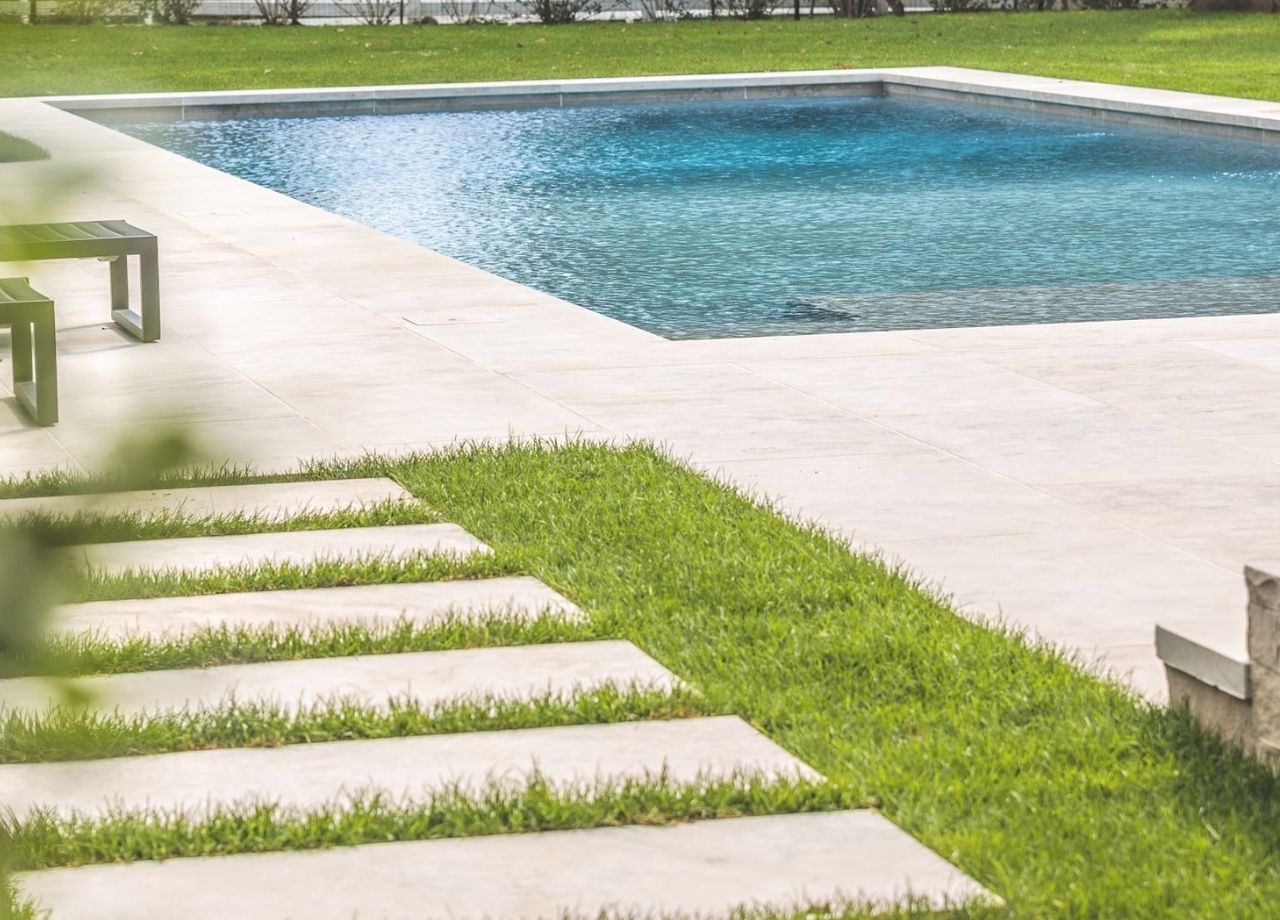
Routine maintenance is relatively simple and usually involves sweeping debris, occasional washing, replenishing joint sand when needed, and sealing certain types of pavers if recommended by the manufacturer.
With proper installation and basic maintenance, a quality paver walkway can remain attractive for decades.
How to Get an Accurate Estimate
No two properties are exactly alike, making an on-site assessment the most reliable way to estimate installation costs.
A contractor will evaluate the dimensions of the walkway, existing site conditions, drainage requirements, accessibility, material selection, excavation needs, and any custom design features before preparing a detailed estimate.
The more information included in the proposal, the easier it becomes to understand where your investment is going and avoid unexpected expenses during construction.
Is a Paver Walkway Worth the Investment?
For many homeowners, a paver walkway is one of the most practical outdoor improvements they can make. It improves curb appeal, creates safer and more attractive pathways, and adds lasting value to the property.
When considering the overall cost, it's important to look beyond the initial price. A walkway built with quality materials and a properly prepared foundation often requires fewer repairs and continues to perform well for many years. That long-term durability makes professional installation a worthwhile investment.
By understanding what influences the cost to install a paver walkway, you can make informed decisions that suit your budget while creating a beautiful, functional feature that complements your home and stands up to local weather conditions year after year.
