Commercial Landscape Irrigation in the Hamptons: What Most Property Owners Get Wrong
Every spring, our team starts getting the same calls from commercial property owners across the Hamptons. Lawns are patchy, plantings look stressed, and water bills are climbing faster than expected. Most people assume the issue is the weather or the plant material. In reality, it usually comes down to how water is being delivered and managed on the property.
The East End presents a unique set of conditions that reward careful planning and punish shortcuts. Coastal winds, sandy soils, salt exposure, and strict water rules mean irrigation here needs a different approach than what works inland or in other parts of New York. When systems are installed or run without those factors in mind, problems show up quickly and they tend to be expensive to fix.
Commercial property owners have even more at stake. Office parks, hotels, retail centers, and multi residence properties need grounds that look consistent and healthy without wasting water or creating liability issues. We see many of the same mistakes repeated year after year, even on high end properties that invested heavily in their outdoor spaces.
At Oceanview Landscapes, we spend a lot of time correcting systems that were never properly matched to local conditions. A few early decisions can make the difference between steady performance and constant frustration. Understanding where things go wrong is the first step to getting it right.
Below, we break down the most common irrigation mistakes we see on commercial properties in the Hamptons and what property owners should be thinking about instead.
Treating the Hamptons Like Any Other Market
One of the biggest errors is assuming that irrigation standards from other regions apply here without adjustment. The Hamptons sit on sandy, fast draining soils. Water moves through them quickly, which tempts people to run systems longer. That approach often leads to runoff, wasted water, and shallow root growth.
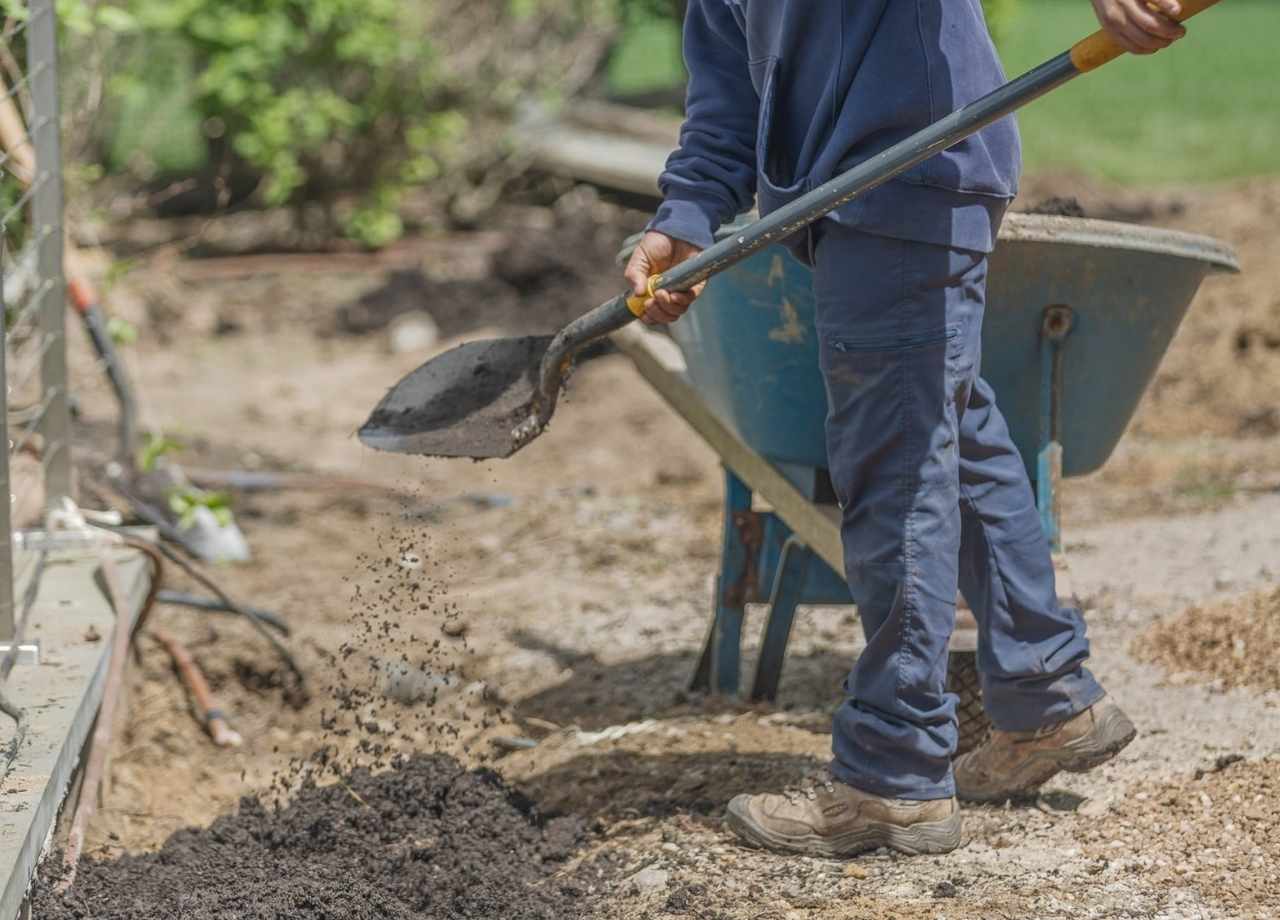
Add in steady coastal winds and intense summer sun, and evaporation becomes a serious factor. Sprinklers that might work fine a few miles inland can lose a surprising amount of water before it ever reaches the ground. Systems need to be designed with head spacing, nozzle choice, and run times that reflect these realities.
Salt exposure is another local issue that gets overlooked. Properties closer to the water deal with airborne salt that can build up in soil and on plant material. Irrigation plays a role in managing that buildup, but only if it is planned correctly. Poor coverage can leave some areas stressed while others stay overly wet.
Overwatering as a Default Setting
Many commercial systems are set to run on the same schedule all season long. This is one of the fastest ways to damage plant health and waste water. Early summer, peak summer, and early fall all demand different amounts of moisture, especially in the Hamptons where weather patterns shift quickly.
Overwatering does not just increase water bills. It encourages shallow roots, disease pressure, and weak turf that struggles during heat waves. We often see properties where grass looks green on the surface but pulls up easily because roots never had to search for moisture deeper in the soil.
Smart controllers and weather based adjustments are widely available, yet many systems still rely on outdated timers. Even the best controller will not help if it is never programmed or adjusted by someone who understands local conditions.
Ignoring Plant Specific Needs
Commercial properties often feature a mix of turf, ornamental grasses, shrubs, perennials, and mature trees. A common mistake is watering all of these areas the same way. Turf usually needs frequent, lighter cycles, while shrubs and trees perform better with deeper, less frequent watering.
When everything is tied into a single zone, something always suffers. Shrubs may stay too wet, leading to root issues. Trees may never receive enough deep moisture to stay strong through dry spells. Turf may look acceptable, masking deeper problems until stress hits.
Zoning irrigation by plant type and exposure takes more planning upfront, but it pays off in healthier plantings and fewer replacements over time.
Poor Coverage and Mismatched Equipment
Another issue we see often is uneven coverage. Heads that are blocked by plant growth, misaligned sprays, or mismatched nozzles create dry spots and oversaturated areas. Property managers may respond by increasing run times, which only makes the imbalance worse.
In the Hamptons, wind makes proper head selection even more important. High spray heads can lose significant water on breezy days, which are common near the coast. Low trajectory nozzles and drip systems in planting beds help reduce loss and keep water where it belongs.
Routine audits catch these problems early, yet many commercial properties go years without a full system check.
Failing to Account for Local Water Rules
Water regulations on the East End are not static. Seasonal restrictions, odd even watering schedules, and local enforcement vary by township. Commercial properties are expected to comply, and violations can lead to fines or unwanted attention.
Systems that are not flexible or properly programmed make compliance harder than it needs to be. We see properties watering during restricted hours simply because no one updated the controller. Others lack rain sensors or have sensors that were disabled years ago and never reconnected.
Staying within the rules protects more than your budget. It supports the aquifer that everyone in the Hamptons depends on.
Skipping Regular Maintenance
Irrigation systems are mechanical, and mechanical systems need attention. Valves wear out, heads break, wiring degrades, and small leaks turn into major water loss if ignored. Commercial properties with heavy foot traffic or maintenance crews are especially prone to damage.
Seasonal startups and shutdowns are not optional in this climate. Freeze damage from an improper fall winterization can take a system offline right when it is needed most. Spring startups without careful inspection often miss hidden issues until turf or plantings show stress.
A structured maintenance plan costs far less than emergency repairs in mid summer.
Relying on Reactive Fixes
Many property owners wait until something looks wrong before addressing irrigation. By that point, plant health may already be compromised. Brown patches, thinning turf, or declining shrubs often point to long standing watering problems, not a sudden change.
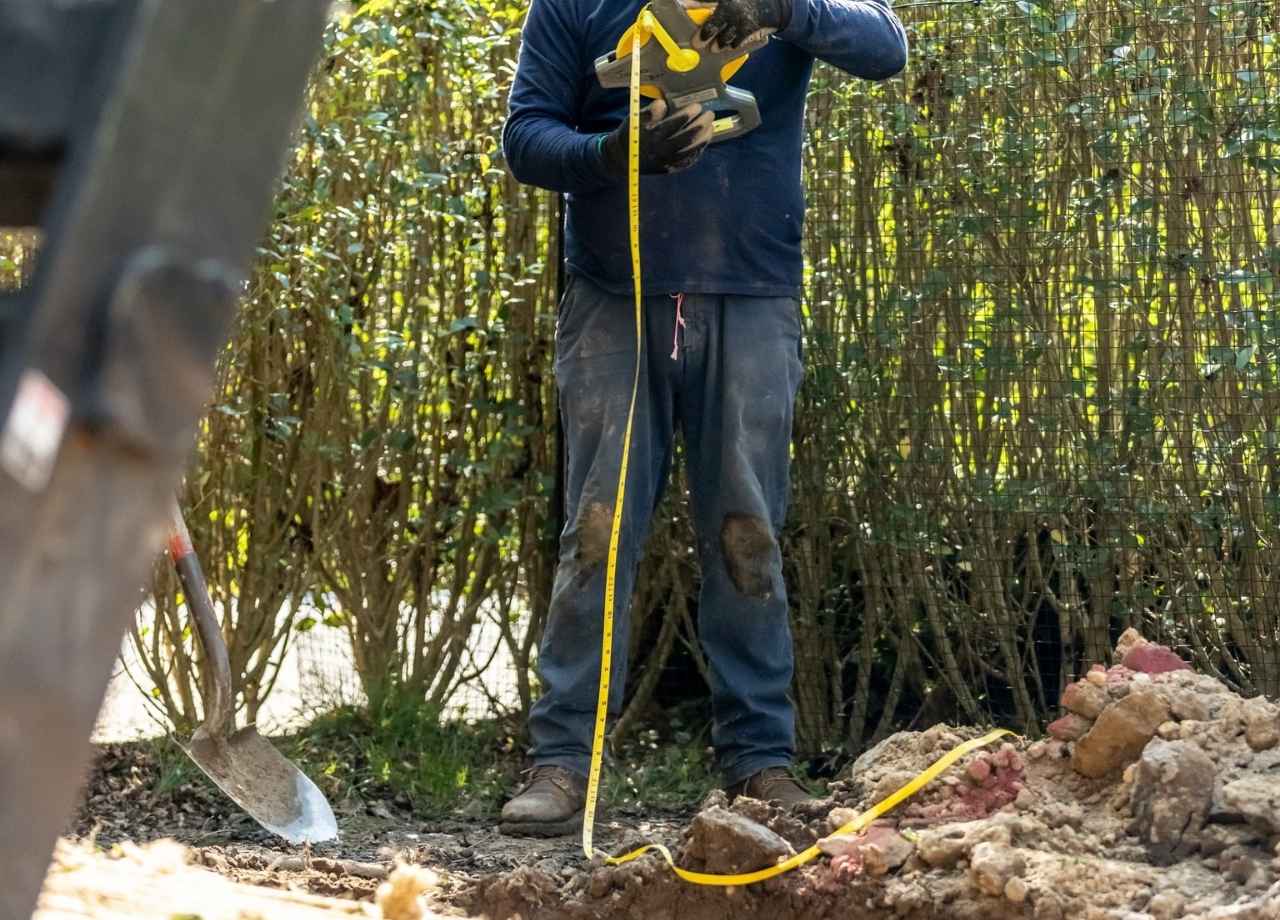
Reactive fixes tend to focus on surface symptoms. Extra water gets applied, fertilizers are added, or plants are replaced. Without addressing the underlying irrigation issue, the cycle repeats.
Proactive monitoring, seasonal adjustments, and periodic system evaluations help prevent these scenarios.
Not Connecting Irrigation to Overall Property Goals
Commercial properties in the Hamptons often balance appearance, tenant satisfaction, operating costs, and environmental responsibility. Irrigation plays a role in all of those areas, yet it is often treated as a standalone utility rather than part of the bigger picture.
Efficient watering supports healthier grounds, reduces liability from muddy or slick areas, and keeps operating costs predictable. It also aligns with growing expectations around responsible water use in coastal communities.
When irrigation decisions are made with these goals in mind, systems tend to perform better and require fewer major changes over time.
A Better Way Forward
Getting irrigation right in the Hamptons is less about technology and more about understanding place. Local weather patterns, soil conditions, plant selection, and regulations all matter. Systems need to be designed, adjusted, and maintained with those factors in mind.
Commercial property owners who take the time to evaluate their irrigation approach often find that small changes make a noticeable difference. Better coverage, smarter scheduling, and routine maintenance lead to healthier grounds and fewer surprises during peak season.
As another busy summer approaches, now is a good time to look at how water is being used on your property. A thoughtful approach pays dividends all season long, especially in a region where water and plant health are closely tied to the land beneath our feet.
