Backyard Privacy Ideas: Smart Ways to Create a More Comfortable Outdoor Space
There is something special about stepping into your backyard after a long day and feeling like you have your own private retreat. Whether you are enjoying your morning coffee, hosting friends for a summer barbecue, or simply reading a book in the afternoon sun, privacy makes every moment feel more relaxing.
Many homeowners discover that privacy becomes more important as neighborhoods grow and homes are built closer together. A fence alone does not always solve the problem, and the wrong solution can make a yard feel closed in instead of welcoming. The good news is that there are many ways to create a secluded outdoor space without sacrificing beauty, natural light, or functionality.
If you are looking for backyard privacy ideas, the best approach is to combine thoughtful planning with materials and plants that suit your property and your local climate. At Oceanview Landscapes, we often help homeowners incorporate privacy into outdoor designs so it feels like a natural part of the yard instead of an afterthought. The right combination of planting, structures, and layout can completely change how you enjoy your outdoor living space.
Start by Identifying Where You Need Privacy
Not every part of your backyard requires the same level of screening.
Walk around your property and ask yourself a few simple questions:
- Where do neighbors have the clearest view?
- Which outdoor spaces do you use most often?
- Are you looking for privacy while sitting, dining, swimming, or entertaining?
- Do second-story windows overlook your yard?
Many homeowners focus only on the property line, but overlooking windows, nearby roads, and elevated decks can all affect privacy.
Once you understand where visibility is greatest, it becomes much easier to choose solutions that actually solve the problem.
Use Layered Planting Instead of a Single Barrier
One of the most effective privacy strategies is creating layers.
Rather than relying on one fence or one row of shrubs, combine several elements at different heights.
A layered planting design may include:
- Tall evergreen trees
- Medium flowering shrubs
- Ornamental grasses
- Perennials around the base
- Groundcover for a finished appearance
This creates depth while softening hard edges.
In the Hamptons, where coastal winds, salt exposure, and sandy soils can affect plant performance, choosing species suited to local conditions is especially important. Plants that thrive inland may struggle near the shoreline, making careful plant selection essential for long-term success.
Evergreen Trees Create Year-Round Screening
If your goal is maximum privacy throughout the year, evergreen trees remain one of the best options.
Unlike deciduous trees that lose their leaves in winter, evergreens continue providing screening during every season.
Popular choices often include:
- Green Giant Arborvitae
- American Holly
- Skip Laurel
- Eastern Red Cedar
- Spruce varieties
Spacing matters just as much as species selection. Planting too closely may create crowding after several years, while planting too far apart leaves noticeable gaps.
Professional planning takes mature size into account so your privacy screen continues performing well for decades.
Decorative Fences Can Feel Warm Instead of Closed Off
A traditional privacy fence is an effective solution, but it does not have to look plain or overly enclosed.
Modern designs often feature horizontal wood boards, decorative lattice sections, mixed wood and metal accents, natural cedar finishes, or black aluminum framing.
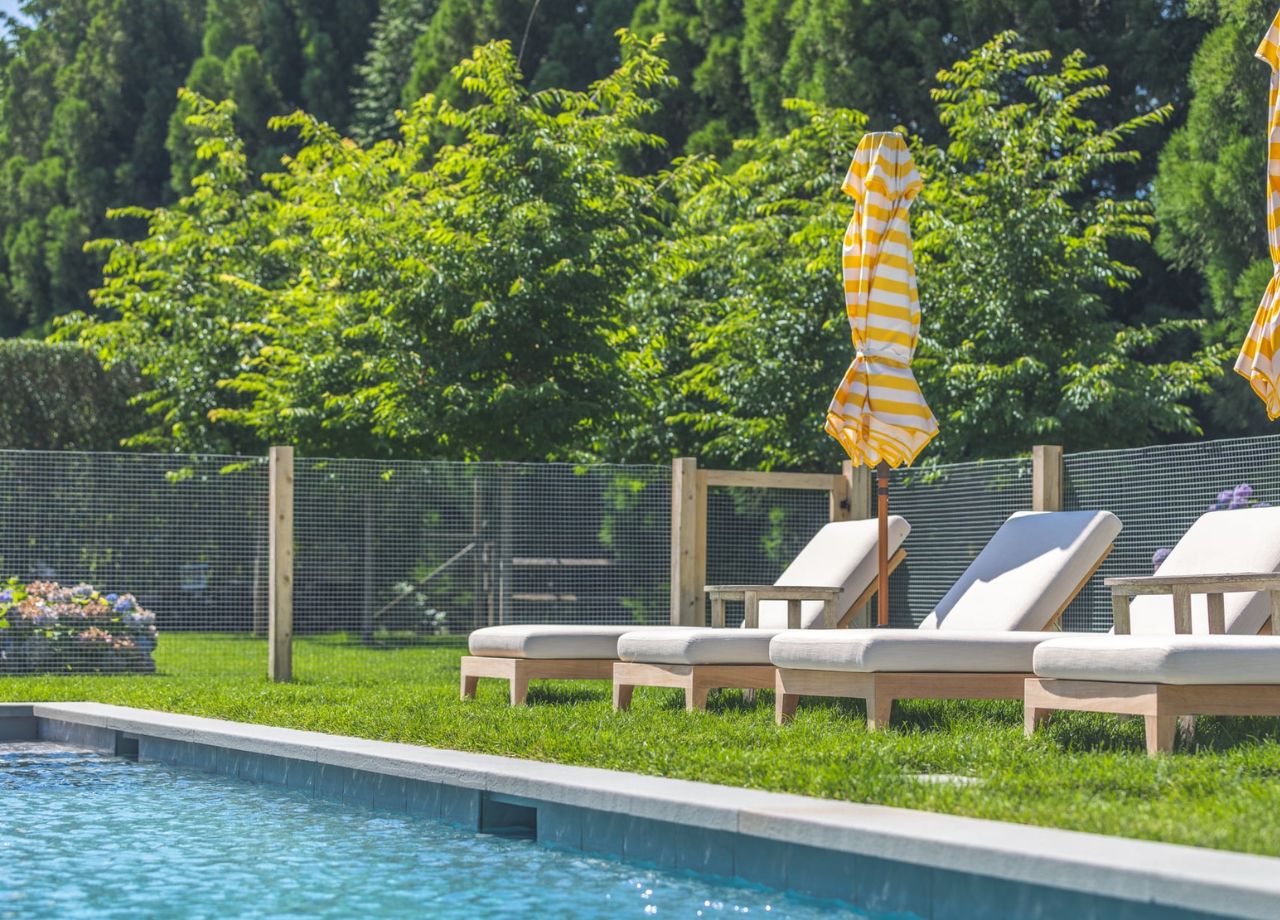
Adding climbing vines or planting beds along the fence helps soften its appearance and creates a more welcoming backyard.
If local regulations limit fence height, pairing fencing with shrubs or ornamental trees can provide additional screening.
This layered approach adds privacy while keeping the yard open, balanced, and visually appealing.
Add a Pergola for Privacy Above Eye Level
Privacy is not always about blocking side views.
Sometimes neighboring homes overlook your patio from second-story windows.
A pergola helps define outdoor living areas while providing overhead screening.
You can increase privacy by adding:
- Retractable shade canopies
- Outdoor curtains
- Climbing vines
- Decorative slats
- Hanging planters
The result is a comfortable outdoor room that feels separate from surrounding properties while still allowing airflow and natural light.
Use Ornamental Grasses for Soft Screening
Many homeowners overlook ornamental grasses when planning privacy.
Tall varieties create movement, texture, and seasonal interest while providing partial screening.
Popular choices include:
- Miscanthus
- Switchgrass
- Feather Reed Grass
Their gentle movement in coastal breezes adds character to outdoor spaces while maintaining an open, natural appearance.
Grasses also blend beautifully with flowering perennials and shrubs, creating a softer alternative to dense hedges.
Outdoor Curtains Add Instant Privacy
If you enjoy flexibility, outdoor curtains are a simple privacy solution.
They can be installed around pergolas, covered patios, gazebos, or other outdoor living areas.
Open them when you want fresh air and natural views, then close them whenever you need a little more seclusion from nearby neighbors.
Outdoor curtains also provide shade, help reduce wind, and soften the appearance of hard structures, making the space feel more comfortable and inviting.
Choose fabrics specifically designed for outdoor use to resist fading, moisture, and mildew, especially in coastal environments where humidity and salt air can be tough on materials.
Outdoor curtains also provide shade, help reduce wind, and soften the appearance of hard structures, making the space feel more comfortable and inviting.
Choose fabrics specifically designed for outdoor use to resist fading, moisture, and mildew, especially in coastal environments where humidity and salt air can be tough on materials.
Create Separate Outdoor Rooms
Privacy often comes from thoughtful layout rather than taller barriers.
Instead of viewing the backyard as one large open area, divide it into smaller destinations.
You might create:
- A dining area
- A fire pit gathering space
- A reading nook
- A poolside lounge
- A garden seating area
Using planting beds, low walls, decorative screens, or changes in elevation naturally separates these areas while making the yard feel larger and more interesting.
Water Features Help Create Audio Privacy
Privacy is not only visual.
Noise from nearby roads, neighbors, or passing traffic can interrupt the peaceful atmosphere of your backyard.
Water features introduce pleasant background sound that masks unwanted noise.
Popular options include:
- Bubbling fountains
- Pondless waterfalls
- Water bowls
- Cascading streams
The gentle sound creates a calming environment that makes outdoor living spaces feel noticeably more secluded.
Decorative Privacy Screens Add Style
Privacy screens have become increasingly popular because they offer a simple way to create separation without closing off the entire yard.
They are available in materials such as powder-coated metal, composite panels, wood, and composite lumber.
These screens work well around patios, hot tubs, outdoor showers, and outdoor seating areas where extra privacy is appreciated.
Laser-cut metal panels add decorative detail while still allowing light and fresh air to pass through.
Choosing a design that complements your home's architecture helps the screen feel like a natural part of the overall outdoor space rather than an added feature.
Consider Seasonal Changes
Privacy should work throughout the year.
Plants that provide excellent screening in July may become sparse during winter.
This is especially important in regions with changing seasons.
Outdoor curtains also provide shade, help reduce wind, and soften the appearance of hard structures, making the space feel more comfortable and inviting.
Choose fabrics specifically designed for outdoor use to resist fading, moisture, and mildew, especially in coastal environments where humidity and salt air can be tough on materials.
Outdoor curtains also provide shade, help reduce wind, and soften the appearance of hard structures, making the space feel more comfortable and inviting.
Choose fabrics specifically designed for outdoor use to resist fading, moisture, and mildew, especially in coastal environments where humidity and salt air can be tough on materials.
Create Separate Outdoor Rooms
Privacy often comes from thoughtful layout rather than taller barriers.
Instead of viewing the backyard as one large open area, divide it into smaller destinations.
You might create:
- A dining area
- A fire pit gathering space
- A reading nook
- A poolside lounge
- A garden seating area
Using planting beds, low walls, decorative screens, or changes in elevation naturally separates these areas while making the yard feel larger and more interesting.
Water Features Help Create Audio Privacy
Privacy is not only visual.
Noise from nearby roads, neighbors, or passing traffic can interrupt the peaceful atmosphere of your backyard.
Water features introduce pleasant background sound that masks unwanted noise.
Popular options include:
- Bubbling fountains
- Pondless waterfalls
- Water bowls
- Cascading streams
The gentle sound creates a calming environment that makes outdoor living spaces feel noticeably more secluded.
Decorative Privacy Screens Add Style
Privacy screens have become increasingly popular because they offer a simple way to create separation without closing off the entire yard.
They are available in materials such as powder-coated metal, composite panels, wood, and composite lumber.
These screens work well around patios, hot tubs, outdoor showers, and outdoor seating areas where extra privacy is appreciated.
Laser-cut metal panels add decorative detail while still allowing light and fresh air to pass through.
Choosing a design that complements your home's architecture helps the screen feel like a natural part of the overall outdoor space rather than an added feature.
Consider Seasonal Changes
Privacy should work throughout the year.
Plants that provide excellent screening in July may become sparse during winter.
This is especially important in regions with changing seasons.
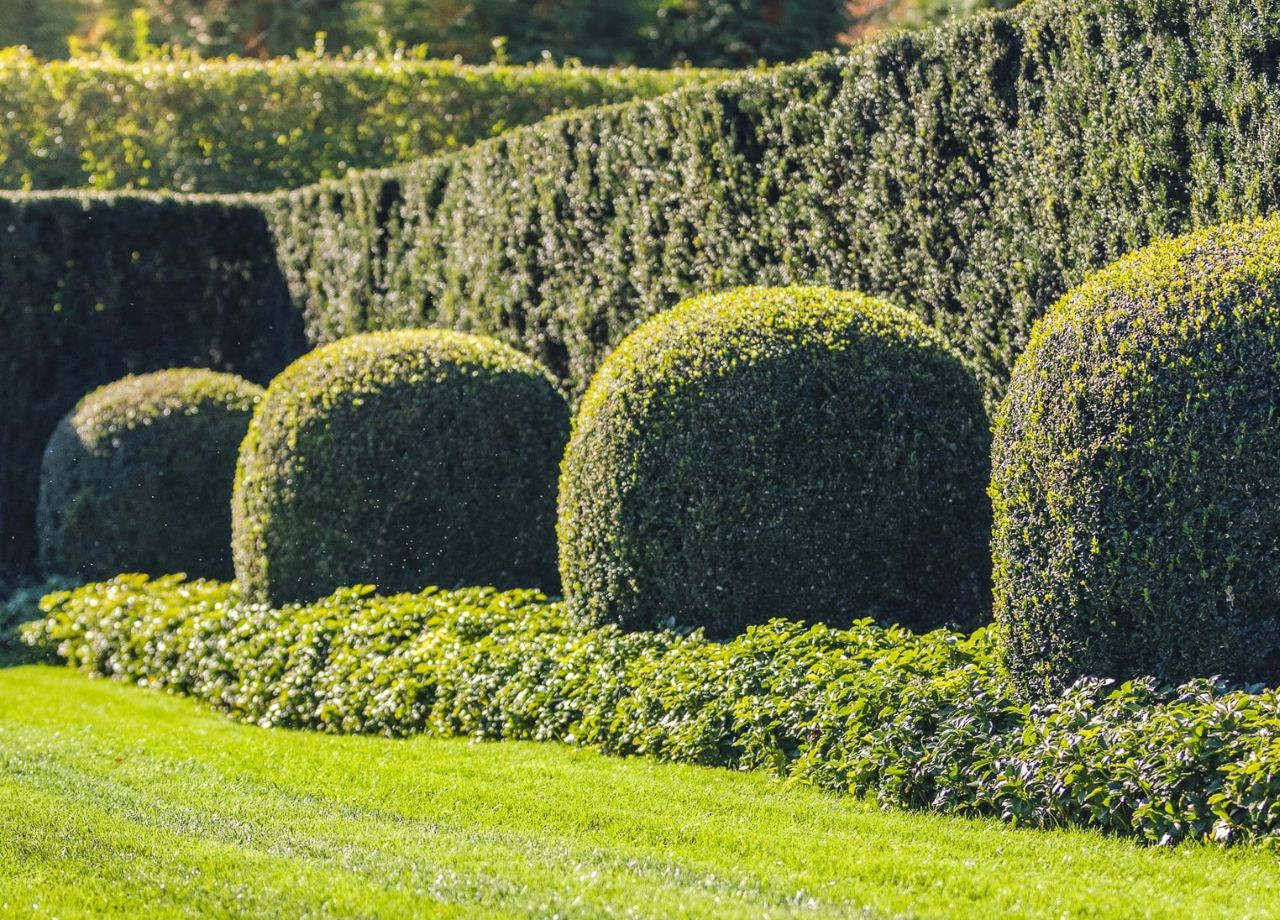
Mixing evergreen plants with deciduous trees provides year-round structure while still allowing seasonal color and variety.
When selecting materials, consider how snow, coastal moisture, humidity, and strong winds affect long-term durability.
Choosing weather-resistant materials reduces maintenance while helping your outdoor space continue looking its best.
Don't Forget Lighting
Evening privacy depends on lighting as much as screening.
Bright overhead lights can unintentionally illuminate your yard for surrounding neighbors.
Instead, consider:
- Path lighting
- Downlighting from trees
- Shielded fixtures
- Soft accent lighting
- Low-voltage garden lights
Carefully placed lighting creates a cozy atmosphere while reducing glare and preserving a sense of privacy after sunset.
Mix Natural and Built Elements
The most successful backyard privacy designs rarely rely on a single solution.
Instead, they combine natural features with carefully chosen structures to create a space that feels balanced and inviting.
A decorative fence, evergreen trees, flowering shrubs, a pergola, outdoor lighting, stone pathways, and water features can all work together to improve privacy without making the yard feel enclosed.
Each element serves a purpose while adding beauty, comfort, and everyday functionality.
The finished result feels intentional, creating an outdoor space that is both private and enjoyable throughout the year.
Think Long Term
Privacy improvements should continue working years from now.
Before planting or building, think about how trees will mature, how much maintenance is required, and how your family's needs may change.
A thoughtful plan today often prevents expensive adjustments later.
It is also worth considering future additions like pools, outdoor kitchens, or expanded entertaining spaces so your privacy strategy grows with your property instead of limiting future possibilities.
Final Thoughts
Creating a private backyard is about much more than blocking unwanted views. It is about making your outdoor space feel comfortable, peaceful, and inviting every time you step outside.
Whether you choose evergreen screening, layered planting, decorative fencing, pergolas, water features, or a combination of several ideas, the best results come from designing privacy as part of the overall outdoor experience. By taking local weather, coastal conditions, and seasonal changes into account, homeowners can create spaces that remain beautiful and functional throughout the year.
A carefully planned privacy strategy allows you to relax, entertain, and spend more time outdoors with confidence, turning your backyard into a place that truly feels like your own.
